How Long Does Dental Bonding Last?
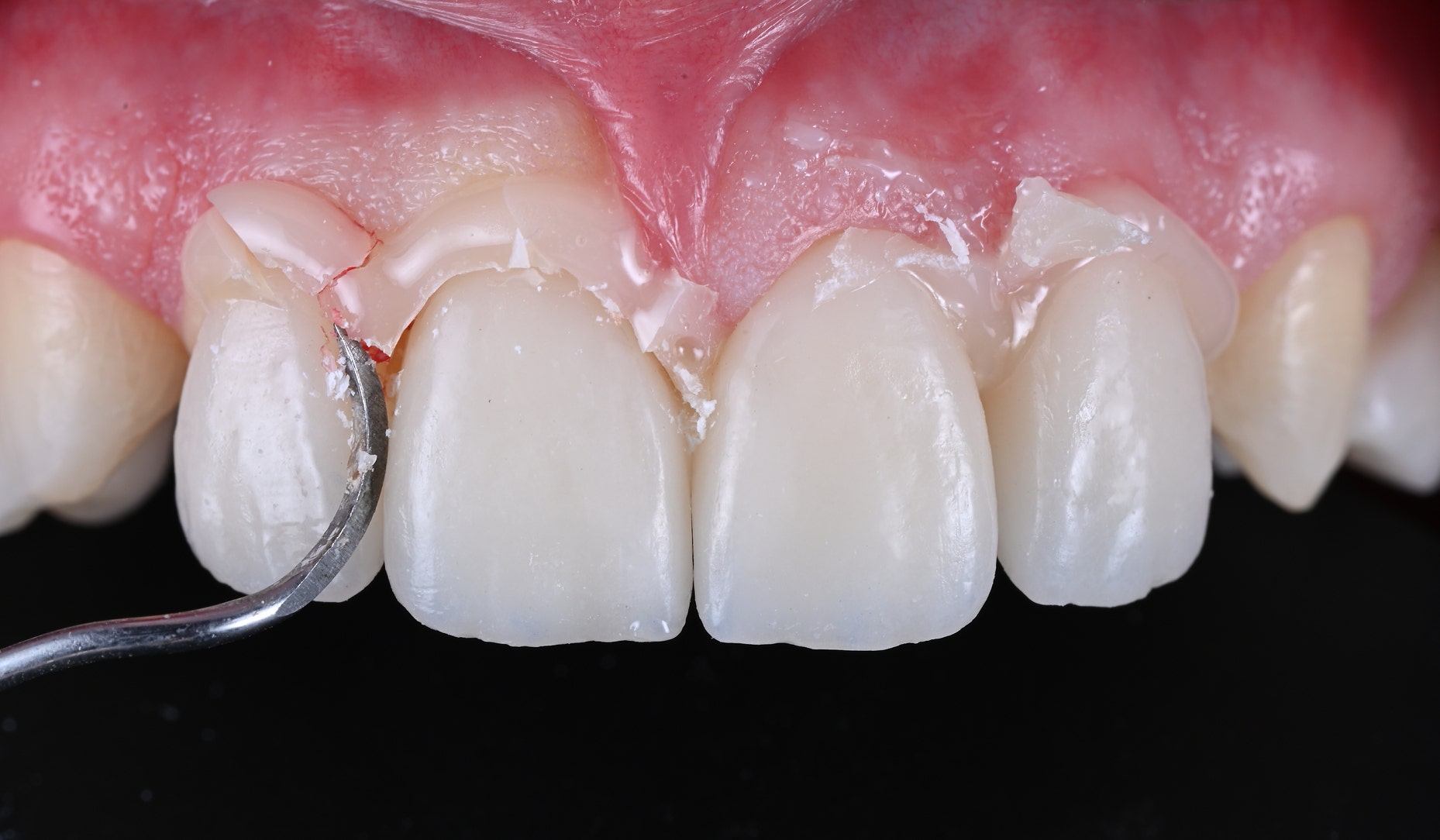
Dental bonding is a popular cosmetic procedure known for its simplicity, affordability, and ability to quickly improve your smile. But many patients wonder, how long does dental bonding last? On average, dental bonding can last anywhere from 3 to 10 years, depending on several key factors such as oral hygiene, lifestyle habits, and the location of the bonding. Understanding the lifespan and care involved can help you make the most of your Dental Bonding Cementing and maintain a confident smile for years.
Factors That Affect the Lifespan of Dental Bonding:
Several factors determine how long your dental bonding will last. Although the material used is durable, it's not as strong as natural teeth or other dental restorations like veneers or crowns. Here’s what influences its longevity:
Location of the bonding: Bonding on front teeth or areas under constant pressure may wear down faster
Your bite and habits: Teeth grinding or using teeth as tools can cause chips or cracks
Oral hygiene: Brushing twice daily, flossing, and routine dental cleanings help extend the life of bonded teeth
Diet: Frequent consumption of hard or staining foods can reduce bonding durability
Smoking and alcohol: These can stain and weaken the bonding over time
Quality of application: An experienced dentist will ensure a more secure, longer-lasting bond
Signs That Dental Bonding Needs Replacement:
Just like any dental procedure, bonding eventually shows signs of wear or damage. Being aware of these signs helps you schedule timely dental visits and avoid more extensive repairs later.
Visible discoloration or staining
Chips, cracks, or rough edges on bonded areas
Changes in bite or tooth alignment
Increased tooth sensitivity
A dull appearance compared to surrounding natural teeth
Discomfort or pain around the bonded tooth
If you notice any of these symptoms, consult your dentist. Minor issues may be fixable through polishing or touch-up, but more serious wear might require full reapplication or a different treatment approach.
How to Make Dental Bonding Last Longer?
While dental bonding doesn't last forever, you can significantly prolong its life by following simple care tips. Consistency in your oral habits plays a vital role in maintaining the integrity and appearance of your bonded teeth.
Brush with a soft-bristled toothbrush and fluoride toothpaste twice a day
Floss daily to prevent plaque buildup around the bonded area
Avoid biting hard objects like ice, pens, or fingernails
Limit staining foods such as coffee, red wine, and berries
Stop smoking to prevent discoloration
Wear a mouthguard if you grind your teeth or play contact sports
Schedule regular dental checkups every six months for monitoring and maintenance
These steps not only support your bonded teeth but also promote overall oral health.
Comparing Dental Bonding with Other Cosmetic Options:
Dental Bonding Cementing treatment is a great solution for minor imperfections, but it’s helpful to compare it with other cosmetic options to determine what best suits your goals and lifestyle.
Veneers: Made of porcelain and more stain-resistant, veneers last longer (10–15 years) but are costlier
Crowns: Ideal for damaged or decayed teeth, crowns provide strong protection but require more tooth preparation
Whitening: A non-invasive way to improve color but doesn't address shape or spacing issues
Invisalign or braces: For alignment and bite correction, these offer long-term structural benefits
Dental bonding is typically recommended for small chips, gaps, or discoloration and works well for patients seeking a budget-friendly and quick cosmetic fix.
Is Dental Bonding Right for You?
Whether dental bonding is the right solution depends on your dental goals, budget, and how committed you are to oral care. It’s a fantastic choice for:
Fixing minor chips or cracks
Closing small gaps between teeth
Improving the appearance of discolored teeth
Reshaping teeth for a more uniform look
Achieving fast results without extensive procedures
If you're looking for an affordable, minimally invasive treatment to enhance your smile, dental bonding can be an ideal option. Always consult a qualified dentist to evaluate your needs and determine the best course of treatment for long-lasting results.


